
What is social innovation?
What is social innovation?
What makes a new idea a true social innovation? This article explains the essence of the concept in a simple way and how new collaborations, services or community initiatives can create social value.
Social innovation is a new or novel solution that addresses a social problem or community need. It can be not only a new product or service, but also a new form of collaboration, community practice, organizational functioning, or decision-making solution.
More than a novelty
The essence of the concept is not novelty per se, but social utility. An initiative can be considered a social innovation if it contributes to improving people’s quality of life, strengthening community well-being, or solving a previously inadequately addressed social problem.
This is where social innovation differs from traditional technological or business innovation. While they often approach it from the perspective of efficiency, market success, or economic growth, social innovation focuses on people, communities, and the common good. This means that you can still use technological or business tools, but they are not the end goal.
How it can manifest itself in practice
A social innovation can be, for example, a new community service, a participatory decision-making method, a social enterprise, a local cooperation model or a program that opens up new opportunities for disadvantaged groups. The common point in all of these is that they do not just want to operate something, but want to initiate a change in the way a community responds to its own problems.
Social innovation often appears where the usual solutions are no longer sufficient. In such cases, local knowledge, the experience of those affected, the flexibility of civil society actors, the resources of institutions and the cooperation of different actors can together create new answers.
From a small initiative -> Model value
Importantly, social innovation is not always spectacular or large-scale. It often starts as a small local initiative that seeks a practical solution to a specific community problem. However, if it proves to be workable, it can become a model for other communities, institutions or cities.
In summary
Social innovation is a new solution that is based on a social need, creates community value, and helps people, organizations, and institutions act together more effectively.
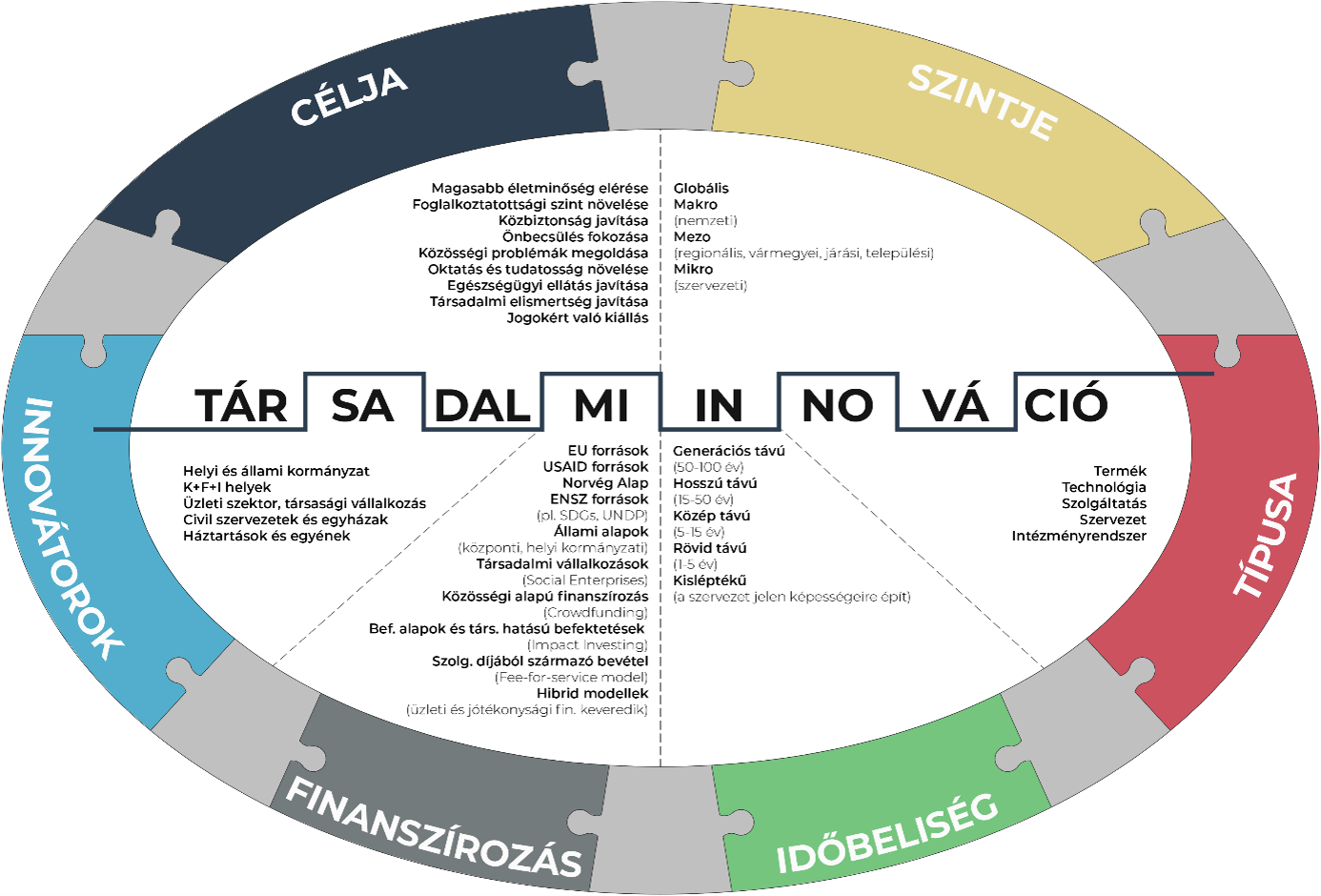
Figure 1. A possible typology of Social Innovation
László Rónavári-Kedves (2025): The role of the civil sector in social changes. Conceptual definitions, models and examples from the domestic and international literature on social innovation. Thesis, ELTE TáTK.
Source: Benedek, J., Koczinszky, G., & Veresné Somosi, M. (2015). A new innovation paradigm? The possibility of improving regional social innovation potential with the help of an expert system, opportunities and limitations. In Veresné Somosi Mariann, Balance and Challenges IX. International Scientific Conference, Conference publication
author’s own editing (2025)
Contact
- 1184 Budapest, Ülloi út 286. Fsz. 10.
- info[at]urbanlab.hu
- © 2025 Copyright InnoK Tudásmenedzsment Intézet Nonprofit Kft. - All Rights Reserved.