For the InnoK Knowledge Management Institute, the second day of the Athens Cooling Havens Opening Site Visit was particularly significant. The focus shifted specifically to the role of transfer partners, the methodology of knowledge transfer, and the foundations of joint work for the upcoming period.
The professional programme once again took place at the Serafeio Athletic & Community Complex, where participating cities and institutions built on each other’s experiences to explore how Athens-based solutions can be adapted to other urban contexts.
Transfer Partner Presentations and Shared Learning
During the first session of the day, transfer partners presented their own urban, institutional, and policy contexts. This segment clearly demonstrated that while urban heatwaves are a universal challenge, effective responses must be tailored to local conditions.
From InnoK’s perspective, it became evident that climate adaptation is not solely an infrastructure development issue, but also a challenge of knowledge management, community engagement, and institutional cooperation.
Give-and-Take Sessions: From Questions to Solutions
The marketplace-style give-and-take sessions allowed transfer partners to engage directly with delivery partners. These structured yet informal discussions created space for open dialogue not only about technical solutions, but also about risks, limitations, and adaptation challenges.
It was particularly valuable to understand why the Cooling Havens model works in Athens: water management, community engagement, and data-driven planning operate as an integrated system rather than as isolated elements.
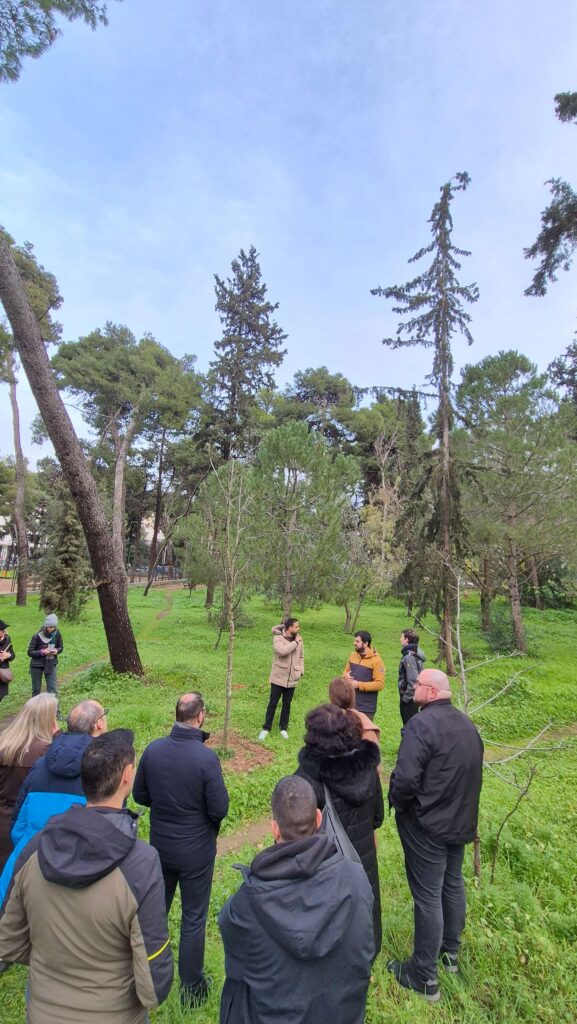
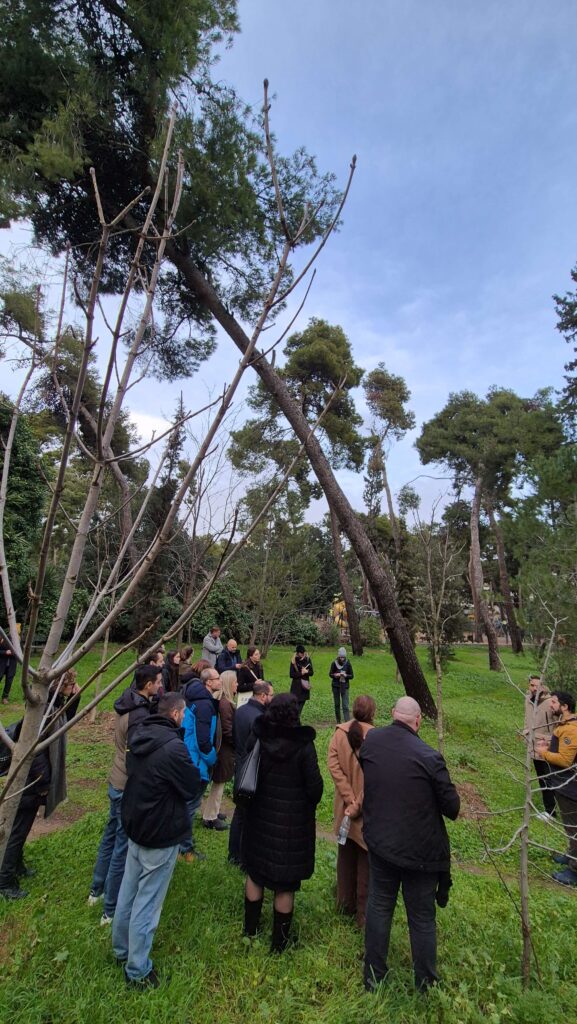
On-Site Experience: Lakonias Square
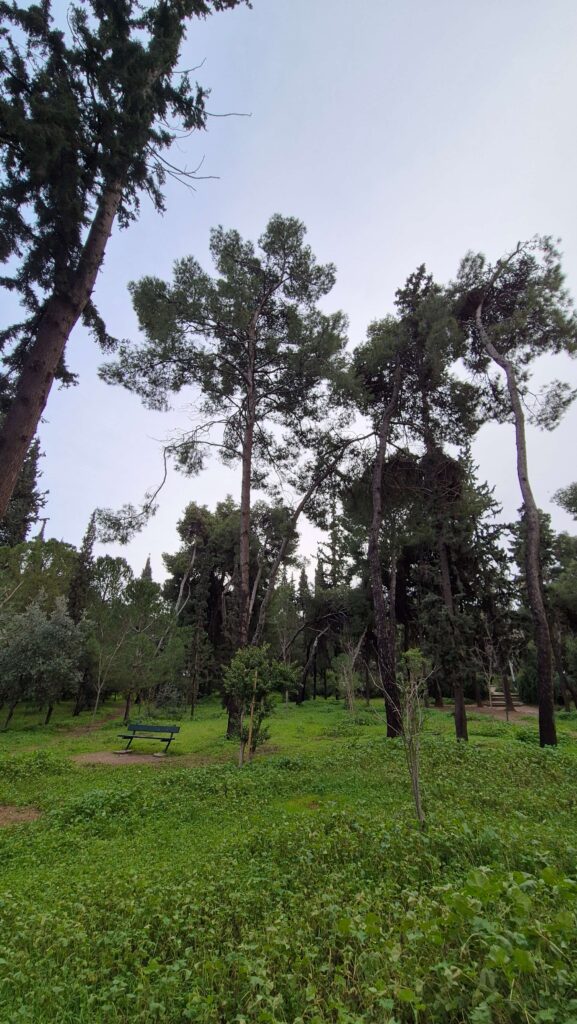
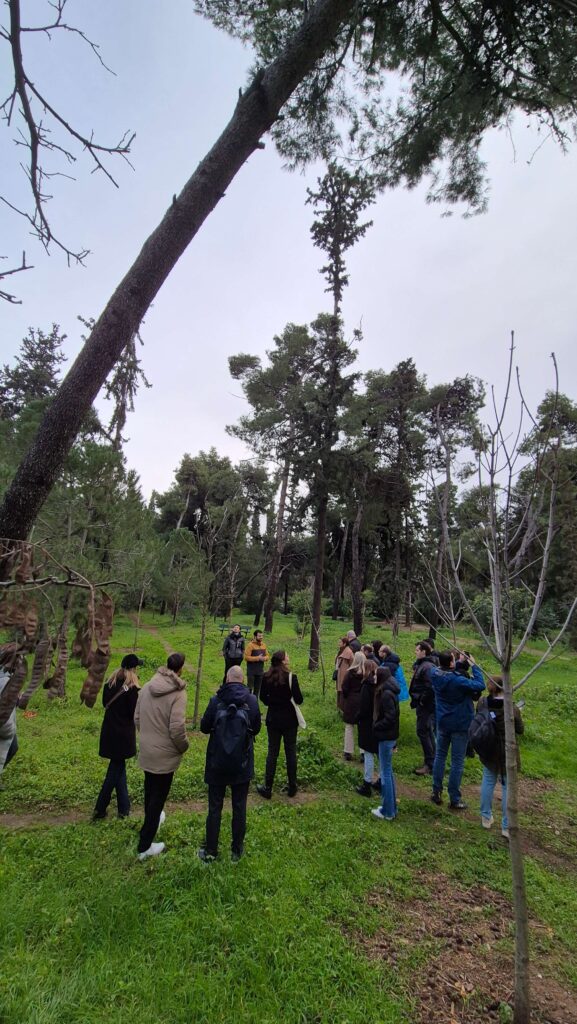
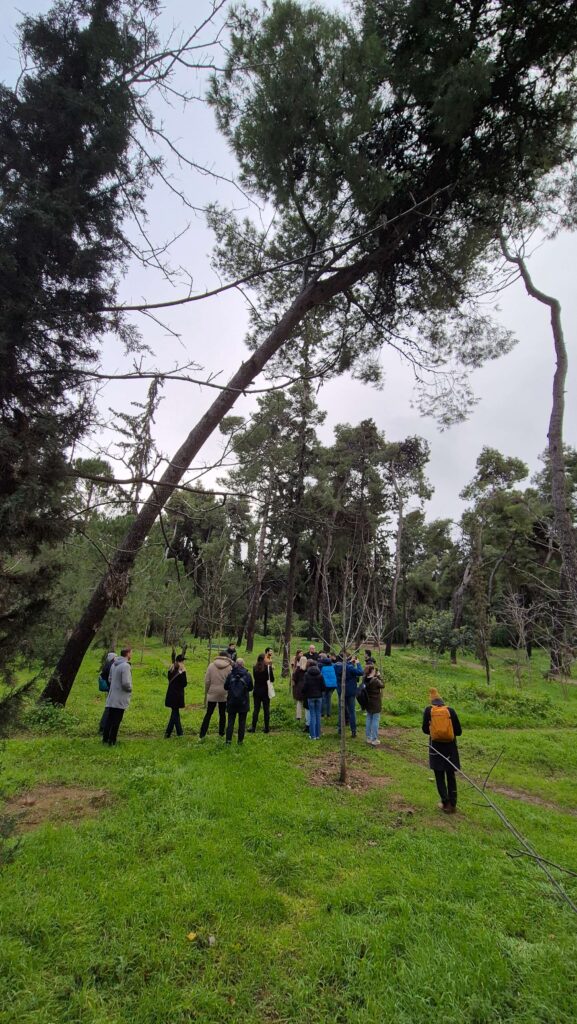
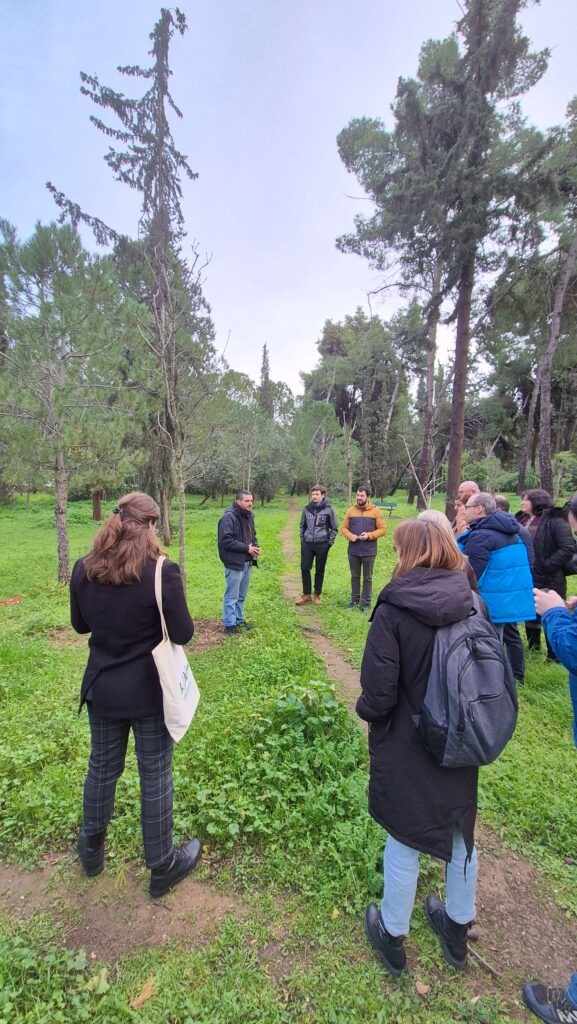
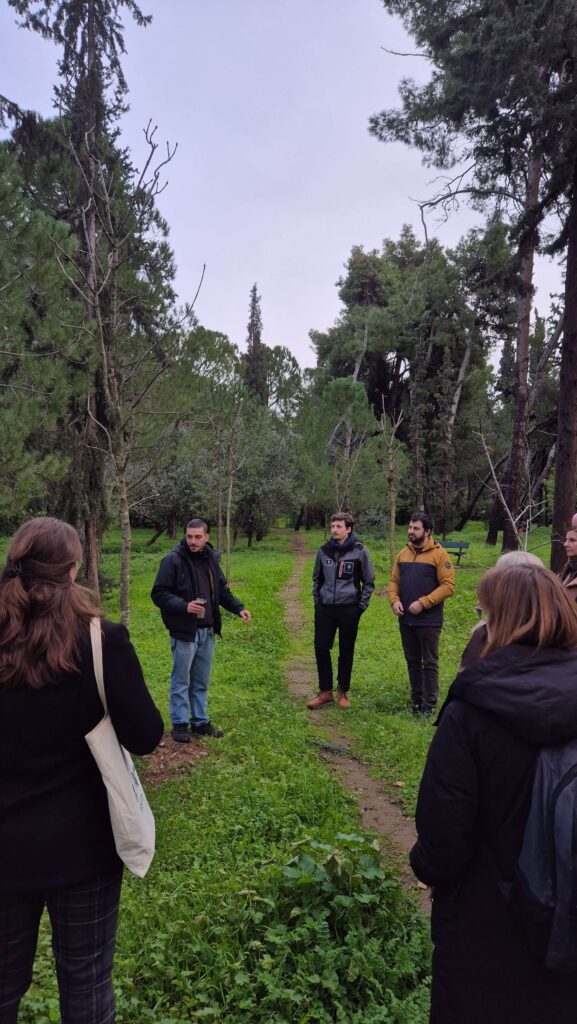
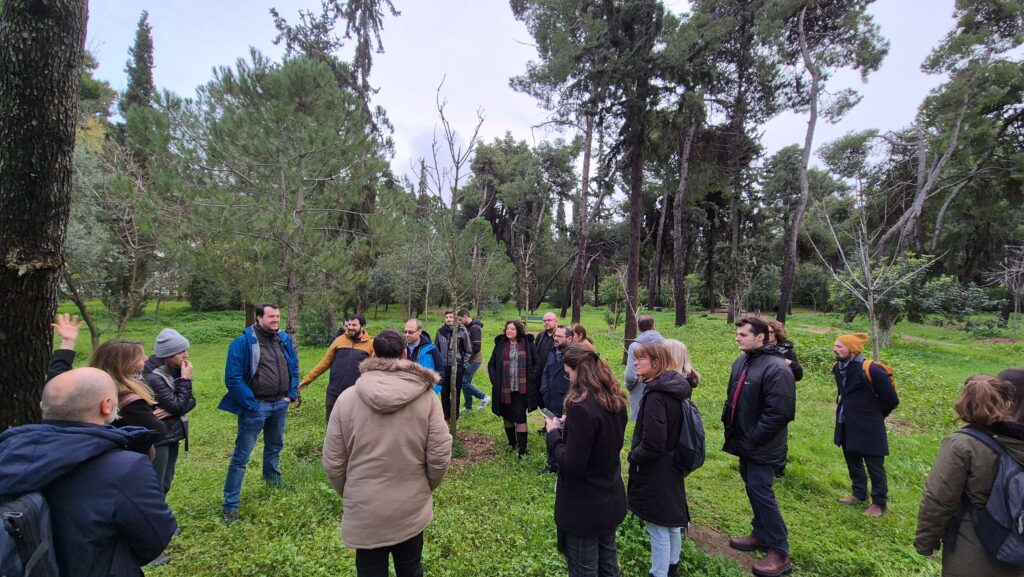
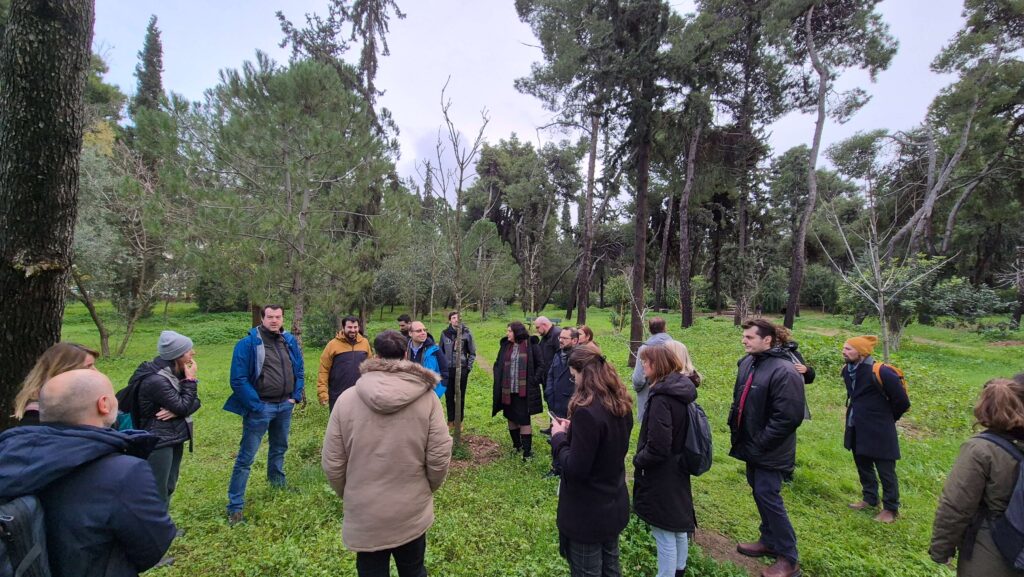
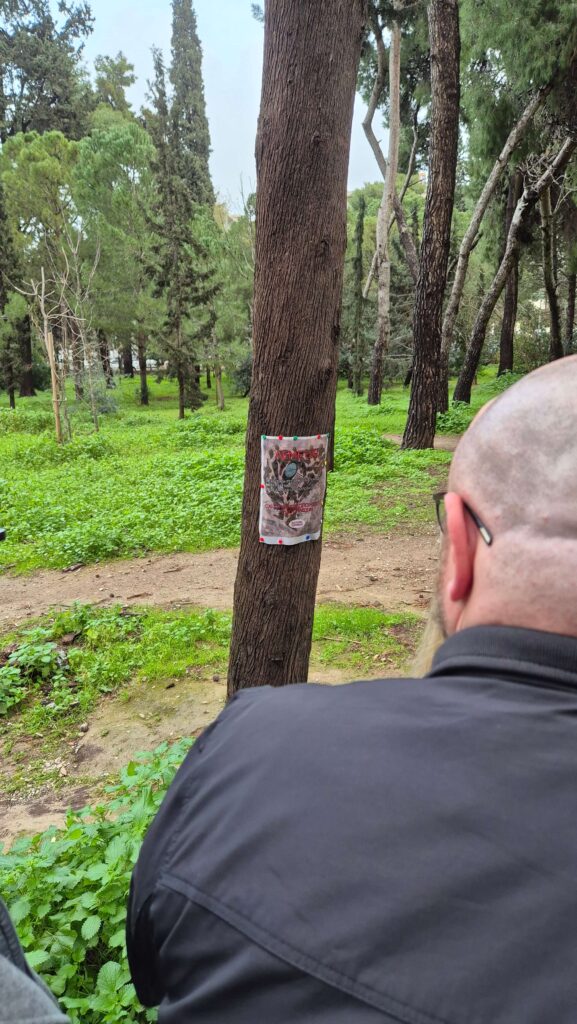
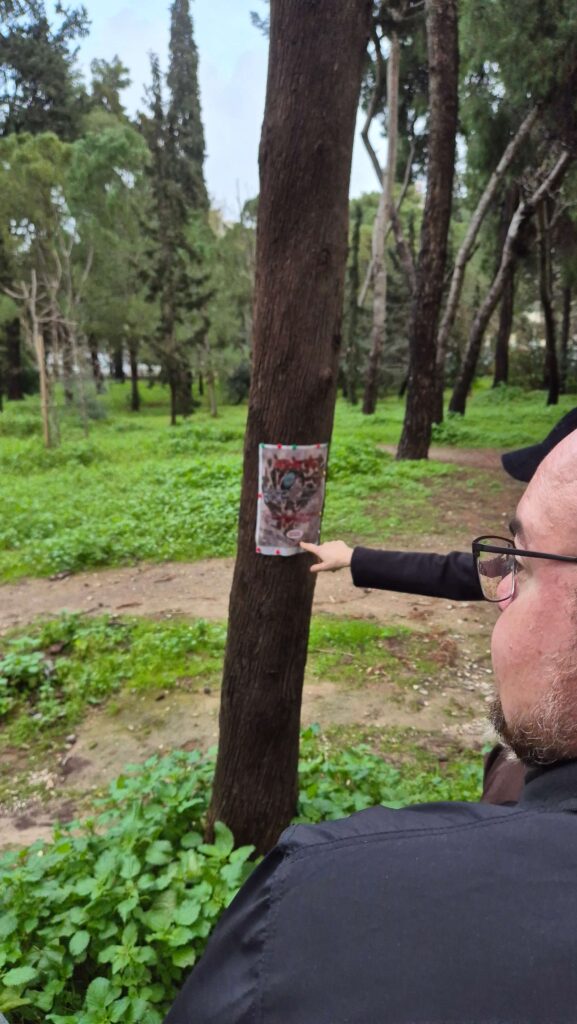
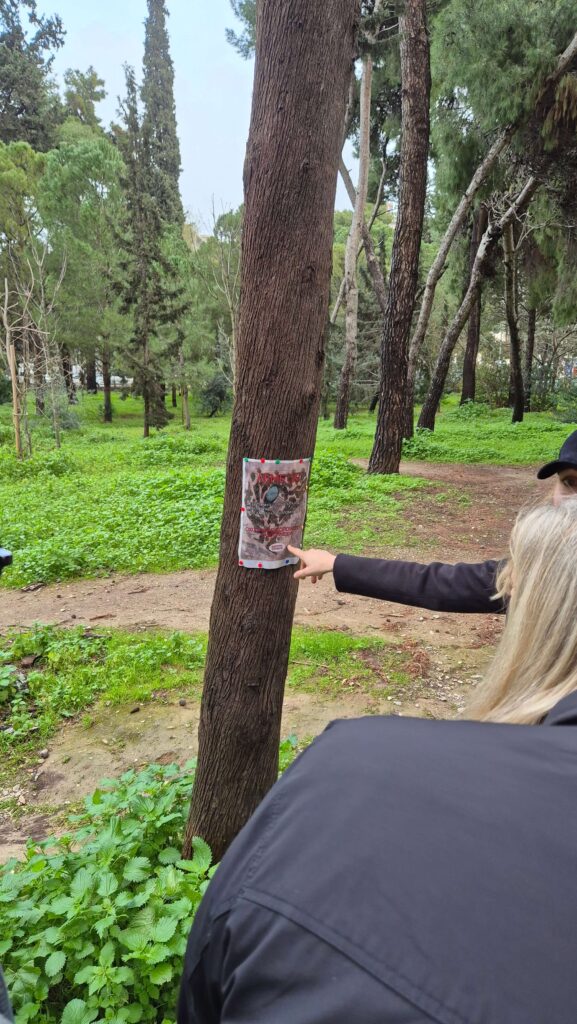
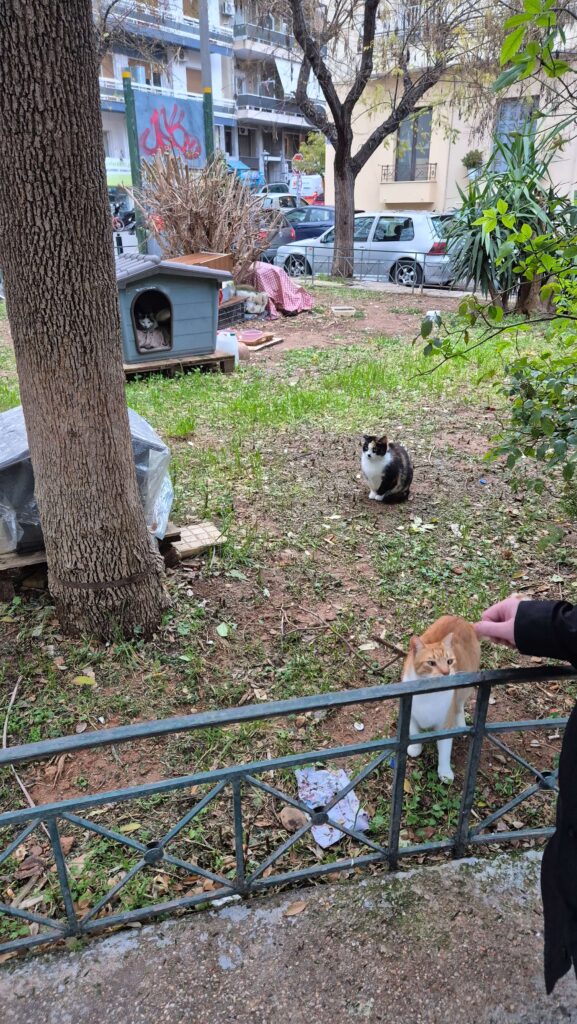
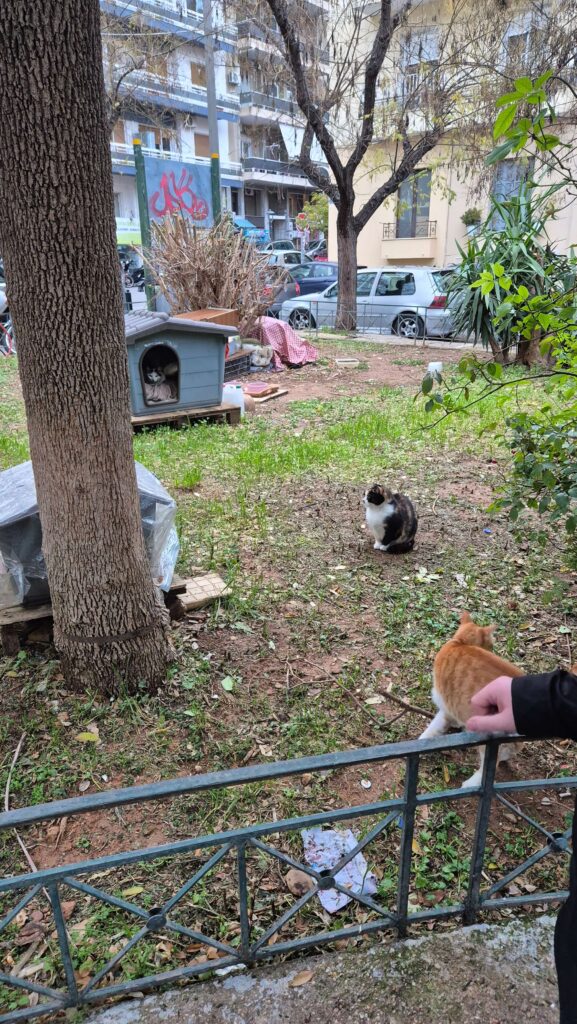
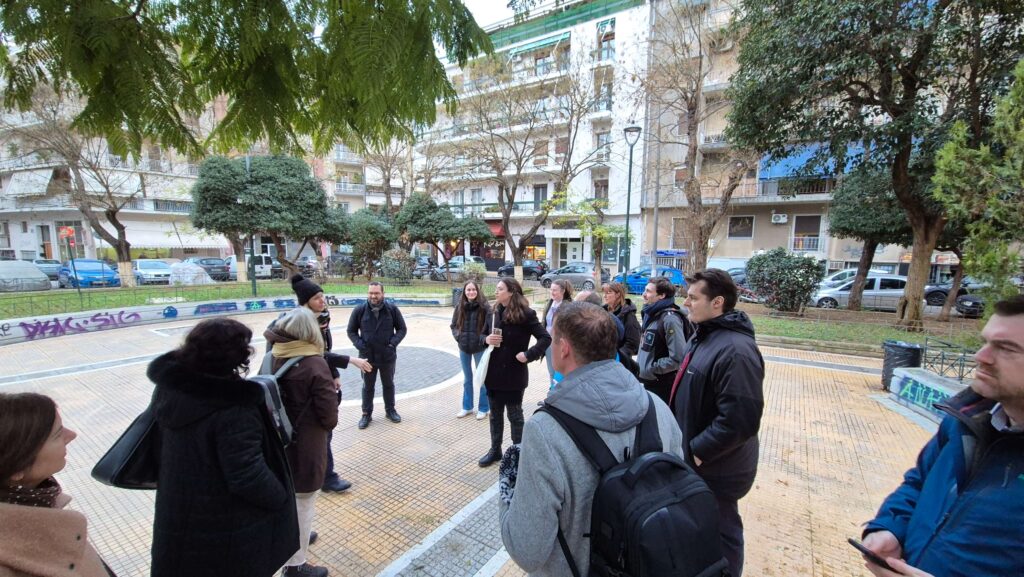
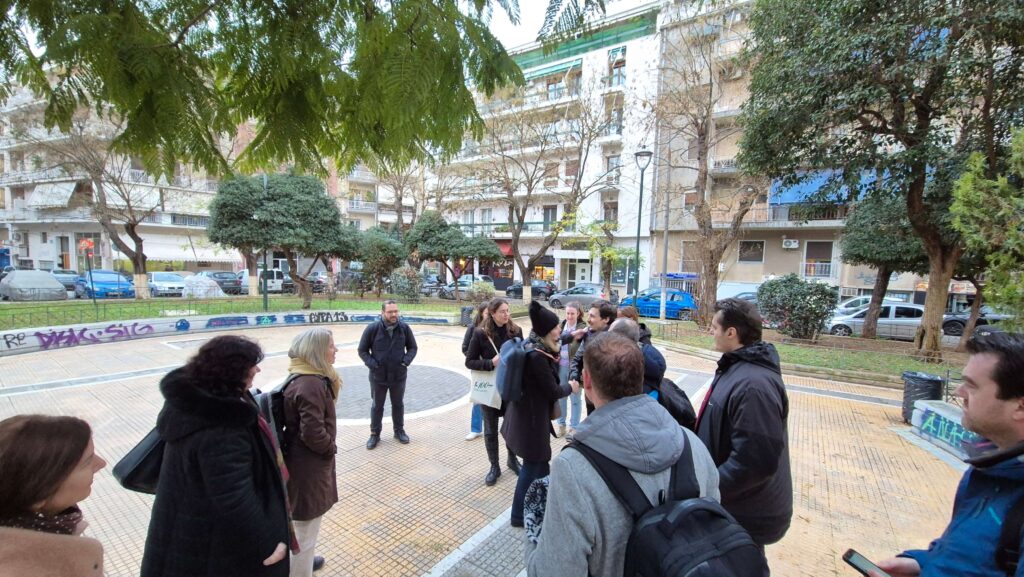
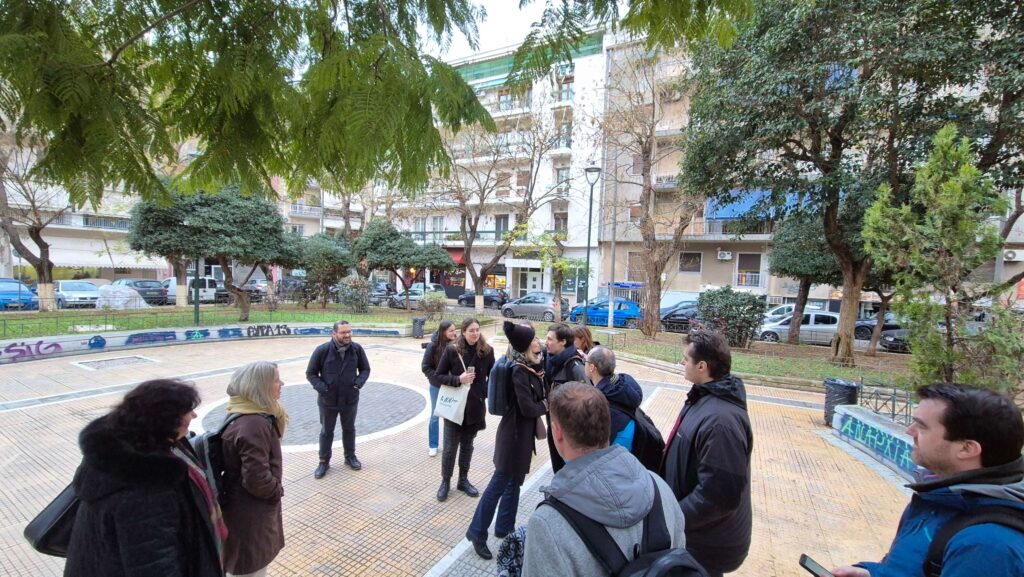
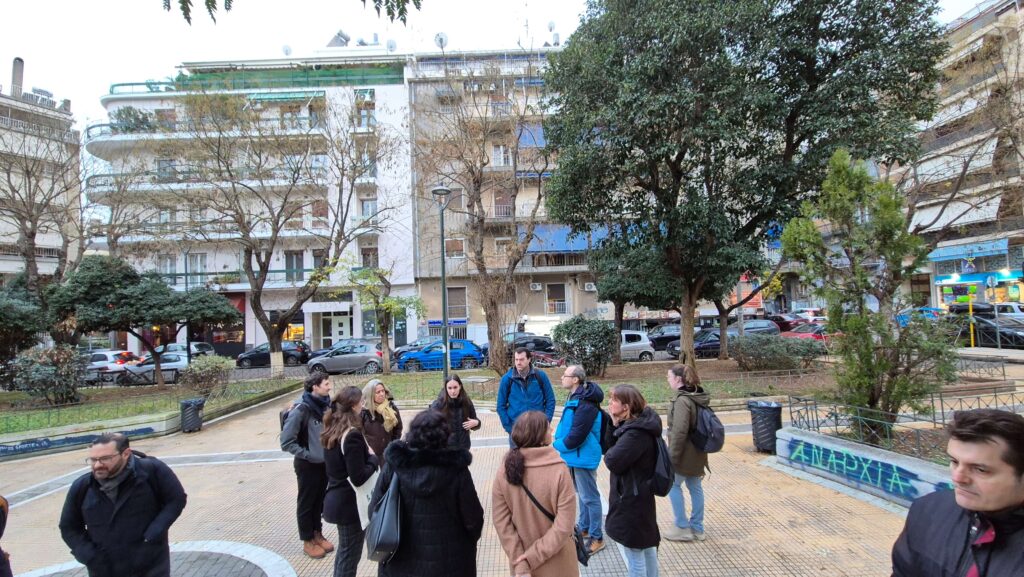
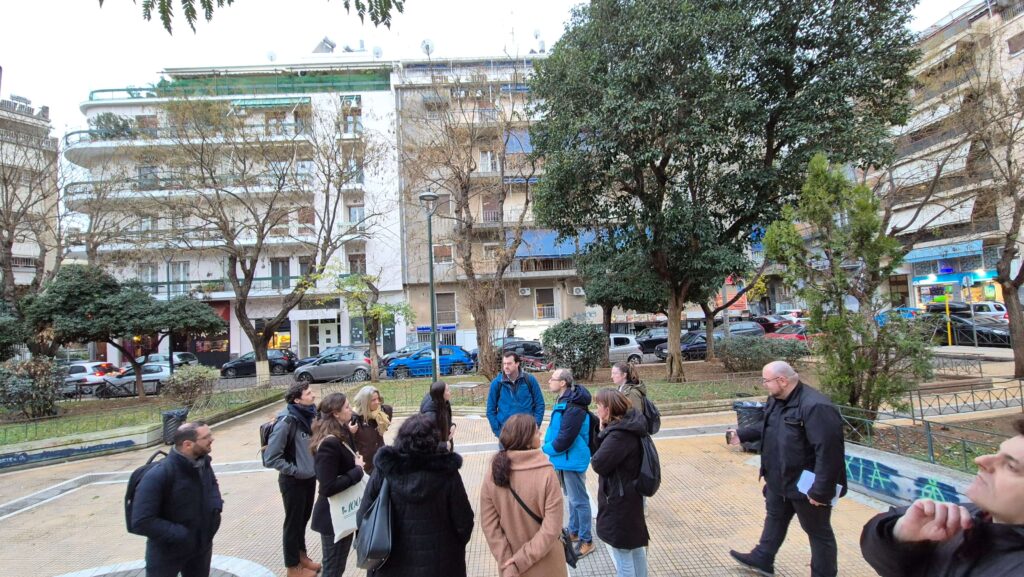
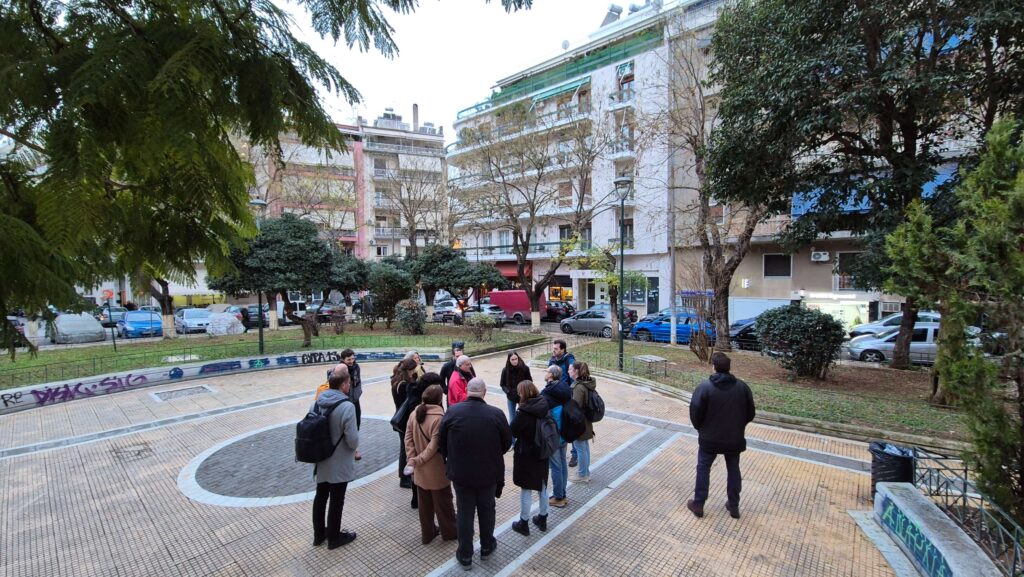
One of the key moments of the second day was the opportunity for the InnoK team to personally visit Lakonias Square. This on-site experience confirmed that nature-based solutions, shading, and the presence of water are not merely theoretical concepts, but have a tangible impact on urban microclimates and the usability of public spaces.
This direct experience is crucial for transfer work, ensuring that not only plans and diagrams, but also real spatial experiences can be carried forward.
Next Steps
In the second half of the day, a detailed presentation of the knowledge transfer process was followed by interactive timeline development. The closing reflection sessions provided space for each partner to articulate key lessons learned and future priorities.
Conclusion
The second day made it clear that Athens Cooling Havens is not merely a best practice, but a transferable knowledge model. For InnoK, the greatest value lies in the fact that this knowledge becomes accessible in a structured form through international cooperation and can, in the long term, become part of domestic urban development thinking.